Choosing the Best Outdoor Log Burner and Patio Stove
By Oliver Sinclair (City & Guilds Level 3 NVQ Advanced Bench Joinery | Member of the Institute of Carpenters (MICarp) | Heritage Crafts Association (HCA)) | September 27, 2026 | 6 min read
Editorial & Affiliate Disclosure: LUMAA HOME is reader-supported. Our editors independently research, test, and specify every material and product featured. When you purchase through retailer links on our site, we may earn an affiliate commission at no extra cost to you, in accordance with UK ASA guidelines.
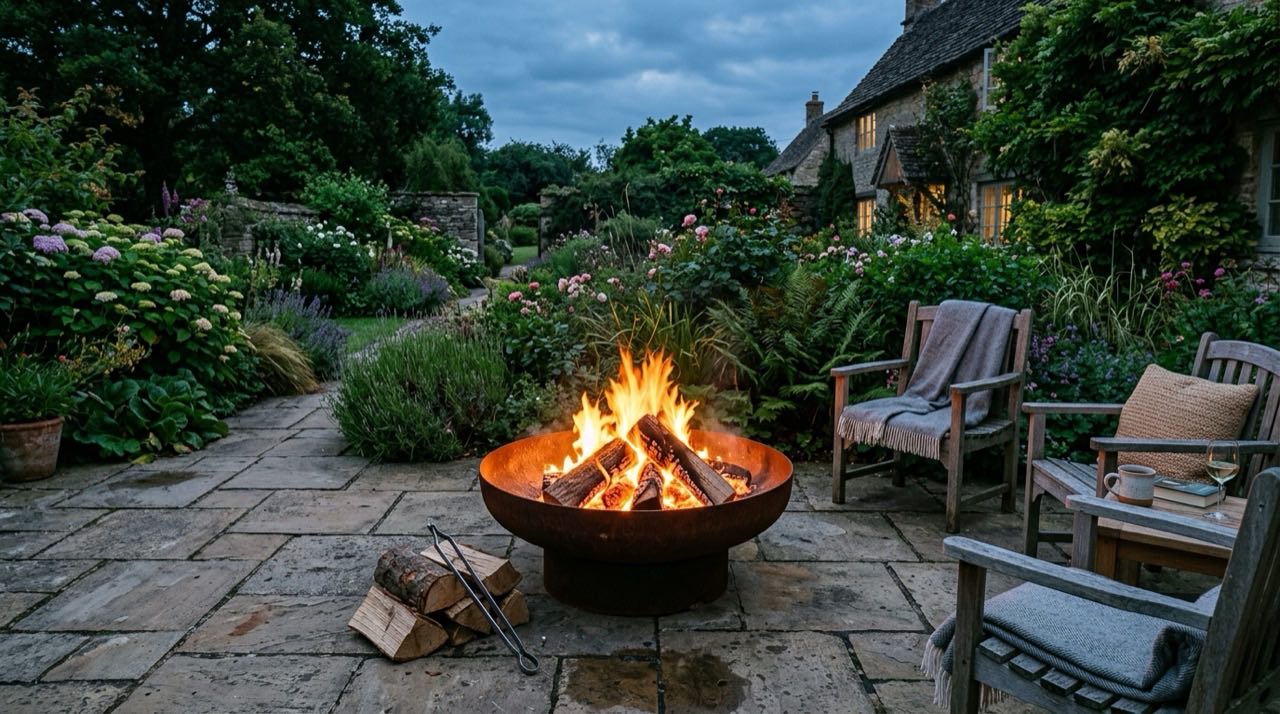
Selecting Heavy-Gauge Metals for Garden Stoves
When designing a warm garden seating area, choosing the correct metal thickness makes all the difference. Thin sheet steel often warps within single seasons of intense burning, while heavy gauge materials resist extreme thermal expansion effortlessly.
As an experienced craftsman, I always advise homeowners to inspect the wall thickness before purchasing any heating unit. A quality outdoor log burner demands sturdy engineering to trap thermal energy efficiently.
Cast Iron Heat Retention Versus Heavy Corten Steel Longevity
Traditional cast iron delivers exceptional thermal mass, absorbing intense heat during burns and radiating warmth slowly into the surrounding evening air. However, cast iron units require careful winter storage to prevent surface rust from forming inside the firebox over damp months.
Weathered steel options offer a different set of practical benefits for contemporary British garden settings. Corten steel develops a stable protective surface patina that halts deep rust corrosion naturally, providing exceptional longevity through wet autumn downpours. Even for outdoor garden stoves, burning seasoned timber below 20% moisture content aligns with DEFRA Smoke Control Area best practices and prevents neighbour nuisance complaints.
Flue Height and Smoke Dispersion in Enclosed Patios

Proper drafting relies entirely on adequate chimney height to pull fresh oxygen into the firebox efficiently. A well engineered flue creates a strong upward draft that feeds the flames and encourages complete combustion.
Poorly designed units without proper chimneys often dump smoke directly into the faces of seated guests. Investing in a taller vertical pipe transforms your outdoor log burner into a clean operating appliance.
Directing Smoke Plumes Above Garden Seating Areas
Placing a garden heater near outdoor furniture requires careful attention to prevailing wind patterns and chimney placement. Extending the vertical flue pipe upwards ensures smoke clears human head height completely.
Short chimney flues fail to generate sufficient upward draw, resulting in thick low hanging smoke that clings to damp patio slabs. Investing in an extended chimney flue guarantees continuous airflow and clean combustion during still evenings.
Patio Ground Clearances and Non-Combustible Hearth Slabs
Intense radiant heat directed downwards can easily crack delicate natural stone paving or scorch underlying timber foundations. Maintaining correct vertical and horizontal clearances protects your costly patio investments from permanent thermal damage.
Insulated floor protection pads absorb stray embers and block intense thermal radiation effectively. Positioning certified non combustible hearth slabs beneath your metal appliance prevents costly discoloration and heat cracking across expensive natural stone patio flags.
Protecting Combustible Timber Decking with Stone Hearth Slabs
Wooden decking demands robust protection shields whenever you operate a high temperature patio heater. Placing a thick stone slab beneath your heating unit prevents stray embers from igniting dry timber boards.
Always verify that your hearth pad extends sufficiently far out from the loading door boundary. If you prefer an open flame instead of an enclosed chimney, an outdoor fire pit needs that same stone base so flying sparks do not reach dry decking. Falling sparks frequently land just beyond the threshold during log adjustments. A generous protective perimeter completely eliminates this common fire hazard on wooden decks.
Following clear clearance protocols protects your garden decking and guarantees complete peace of mind during social evening burns. Taking a few sensible installation precautions before lighting any flames eliminates structural hazards across your outdoor living area. For exact twin-wall pergola flue gaps, paint curing steps and Clean Air Act rules, read our dedicated manual on garden log burner safety clearances and flues.
- Install a thick non combustible stone hearth slab beneath the firebox unit
- Maintain at least three hundred millimetres of floor clearance around all perimeters
- Ensure the ground base remains completely level to prevent sudden tipping hazards
- Keep a bucket of dry sand or water nearby for immediate outdoor safety
Choosing Kiln-Dried Hardwood Fuels for Clean Combustion
Burning damp wood creates thick creosote deposits that ruin the interior of your chimney flue rapidly. Wet logs waste immense amounts of thermal energy boiling trapped water out of the timber structure before producing actual flames.
Premium hardwood logs burn hotter, cleaner, and longer than soft alternatives available at garden centres. Your outdoor log burner reaches optimal operating temperatures much faster when fed with dense wood.
Burning Kiln Dried Ash and Oak Logs for Steady Heat
Kiln dried ash remains the gold standard for outdoor wood burning appliances due to its remarkably low moisture content. The wood ignites effortlessly and delivers a steady, long lasting flame profile that warms chilly patios effectively.
Avoid burning treated timber scraps or painted pallet wood inside your decorative garden heater. These contaminated materials release toxic chemicals into the atmosphere and damage metal components prematurely. Stick strictly to natural, dry hardwoods for the longevity of your heating unit.
Winter Weather Protection and Corrosion Prevention
Leaving metal heating units exposed to freezing rain and snow accelerates rust formation across vulnerable exterior surfaces. Taking preventative measures during off seasons extends the operational lifespan of your garden investment significantly.
Applying a specialist high temperature coating helps shield exposed steel components from atmospheric moisture damage. A well maintained outdoor log burner always stands ready to deliver instant radiant warmth whenever unexpected cold snaps strike your local neighbourhood.
Outdoor Log Burner Material & UK Price Comparison
We compared three popular outdoor patio stove constructions across heat output, rust resistance, and UK retail price:
| Stove Material & Type | Typical UK Price (GBP) | Wall Gauge & Lifespan | Heat Output & Maintenance |
|---|---|---|---|
| Pressed Steel Chiminea (B&Q / Argos) | GBP 85 - GBP 160 | 1.5mm painted mild steel (2 - 4 years) | Fast warm-up; requires annual stove-paint touch-ups |
| Raw Corten Steel Garden Stove | GBP 320 - GBP 680 | 3mm architectural weathering steel (15+ years) | Forms self-healing rust patina; zero painting required |
| Heavy Cast-Iron Patio Burner (Chesneys / Morsø) | GBP 750 - GBP 1,850 | 8mm cast iron with firebrick lining (20+ years) | Superior radiant heat retention; needs winter rain cover |
Managing Damp Ash and Using Breathable Rain Covers
Allowing wet ash to sit inside the firebox overnight creates a corrosive acidic sludge that eats away at metal bases. Scoop out cooled ashes regularly using a dedicated metal bucket and store them safely away from flammable materials.
Fitted breathable covers prevent condensation from becoming trapped underneath waterproof fabrics during damp winter months. Traditional plastic tarpaulins often cause accelerated rusting by sealing moisture against the warm metal body. Invest in a quality breathable shield for your outdoor log burner.
Frequently Asked Questions
Can I use an outdoor log burner on a wooden deck?
Yes provided you place a thick stone hearth slab underneath the unit to protect timber from radiant heat and falling sparks.
How do I prevent my outdoor log burner from rusting?
Apply high temperature stove paint annually and use a breathable waterproof cover whenever the appliance remains unused during winter.
What type of wood burns best in a garden heater?
Kiln dried hardwoods like ash and oak deliver the cleanest flame, highest heat output, and minimal smoke production.
How much do kiln-dried hardwood logs cost to run an outdoor stove?
A standard 25-litre net of Ready to Burn kiln-dried ash or oak logs costs GBP 8 to GBP 12 at UK garden centres, providing roughly three to four hours of steady evening heat (around GBP 2.50 to GBP 3.50 per hour).